Spectacular Sevilla: The Complete Guide to Seville, Spain
“Sevilla tiene un color especial.”
As the song goes, Seville has a special color and is a spectacular place to visit.
This charming city is the capital and largest city in Andalusia in the southern region of Spain. With its rich history, flamenco flavor, and stunning architecture, Seville is a sparkling gem of a city.
Planning a trip to Seville? I’ve got you covered with the top sights, best places to grab food and drinks, where to stay, and how make the most of your time in this magical place.
Top sights in Seville
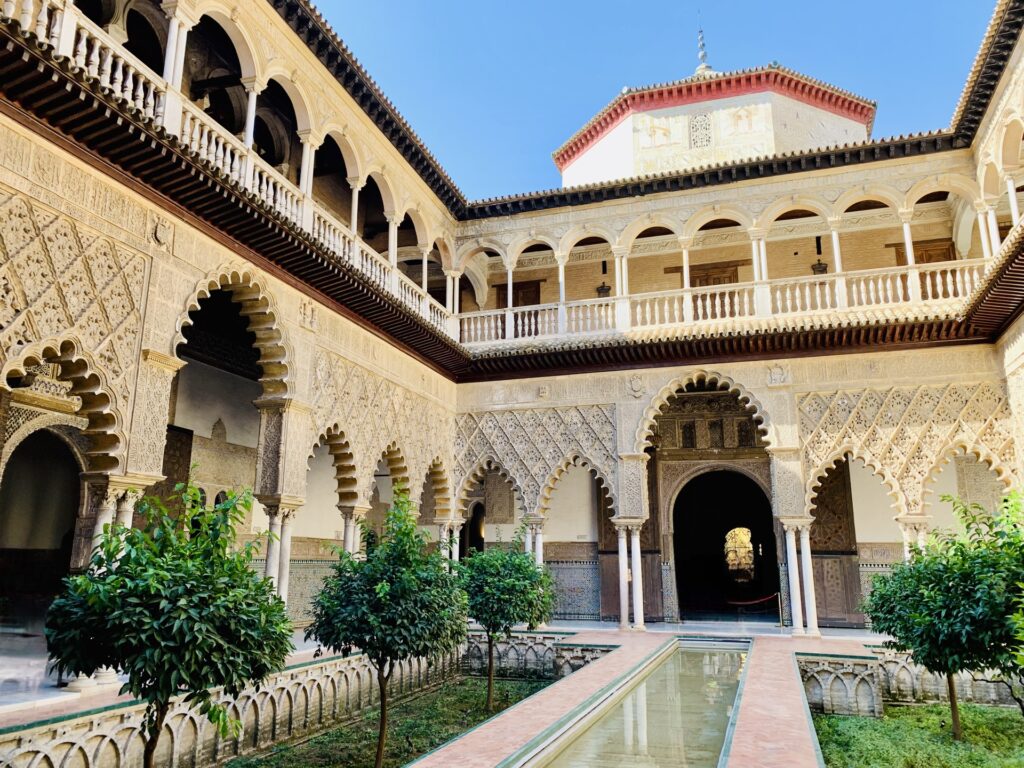
1. Royal Alcazar of Seville: If you’re going to visit one tourist attraction in Seville, my vote is for this medieval palace that is still used by the royal family. Like several important buildings in southern Spain, it is a spectacular combination of Mudéjar (Moorish) and Christian architecture and has a history that spans centuries and ruling classes. It also has a lovely large garden with peacocks. I’d recommend booking your tickets in advance online, especially during the busier times of year.
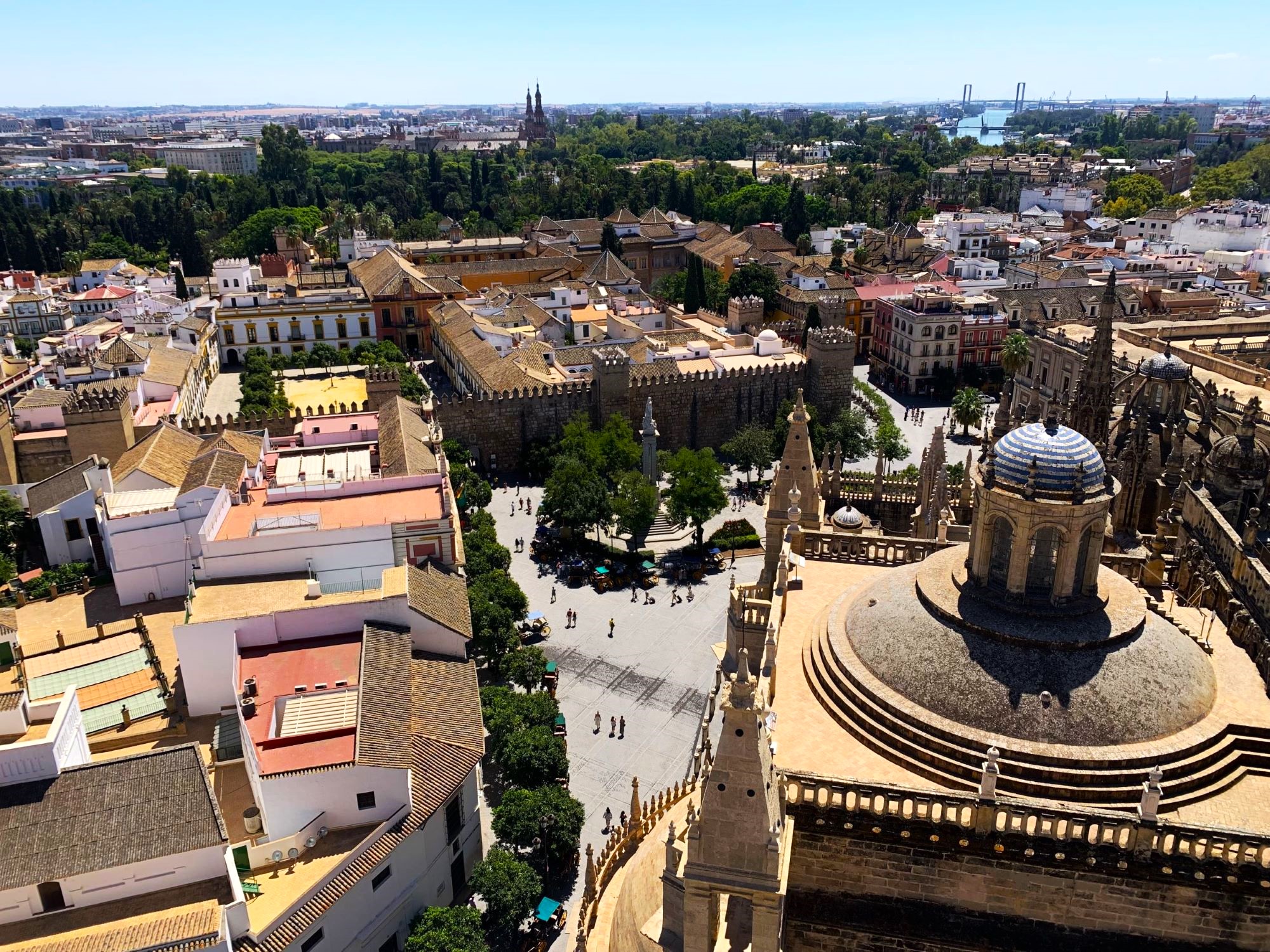
2. Seville Cathedral and La Giralda (Bell Tower): It’s impossible to miss the massive Seville Cathedral in the historic center of the city. It’s the world’s largest Gothic cathedral and was built over a mosque in the 15th century. The inside is impressive given its décor, sheer size, and history (including the tomb of Christopher Columbus). Make sure to buy a ticket to the bell tower (Giralda), which is well worth the long stair climb for its gorgeous views across the city.
3. Barrio de Santa Cruz: The Santa Cruz neighborhood is the former Jewish quarter of Seville and is a charming neighborhood located in the city center near the Royal Alcazar. Get lost wandering Santa Cruz’s colorful maze of streets and alleyways, stop for tapas and drinks at a bodega, and visit the shops there.
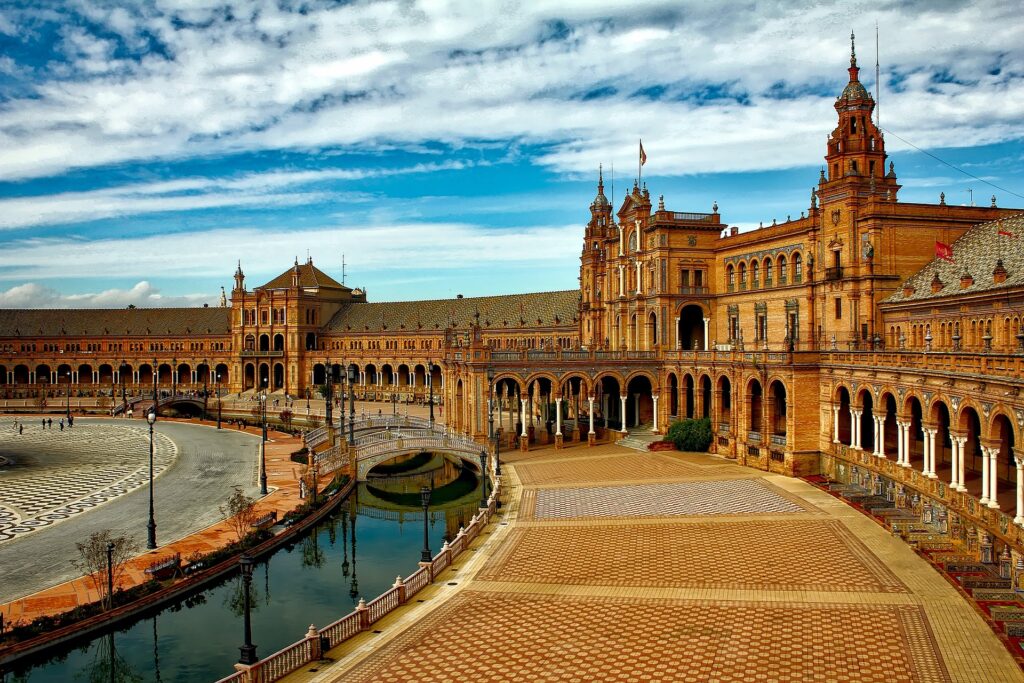
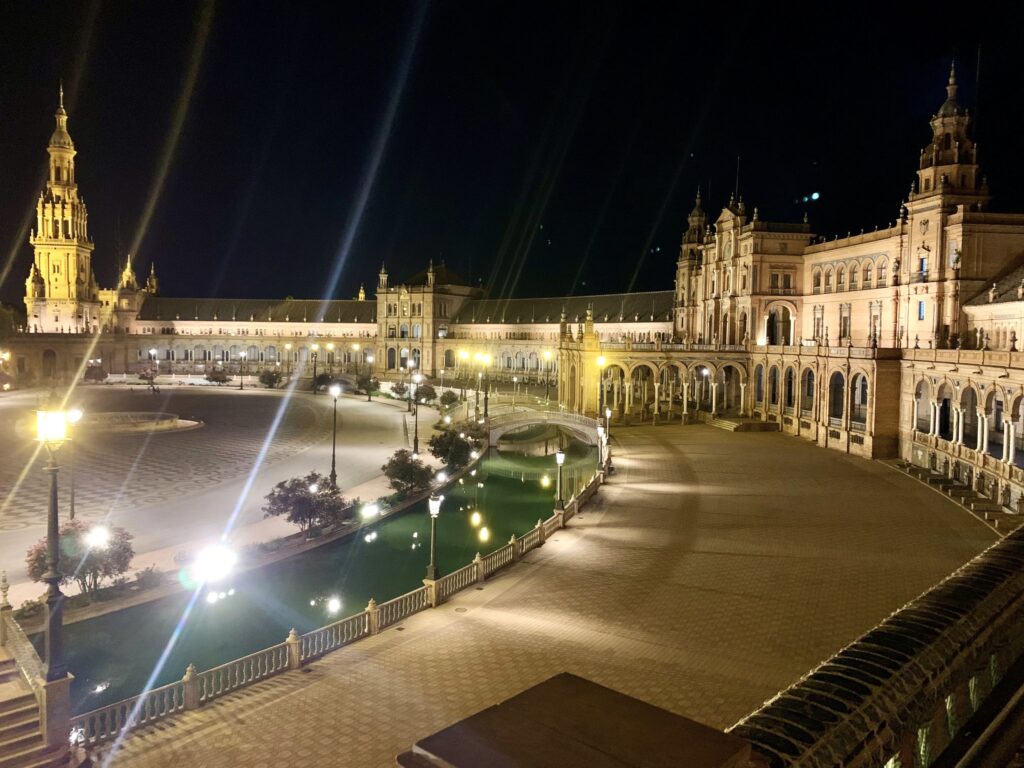
4. Plaza de Espana: This impressive (and free) plaza was designed for the Ibero-American Exposition of 1929. The plaza’s architecture features bridges, a river, and colorful tiled alcoves dedicated to each province in Spain. You can often catch flamenco performances and other street performances here.
5. Parque de Maria Luisa: A pleasant (and free) park located next to the Plaza de Espana that provides some tranquility and much-needed shade during the summer months.
6. Casa de Pilatos: Another beautiful Andalusian palace in the historic center worth visiting. Casa de Pilatos was built in the 15th century and has a lovely combination of Mudéjar (Moorish), Gothic, and Renaissance architecture. It has palace rooms, courtyards, and a lovely garden and is generally much less crowded than the Royal Alcazar.
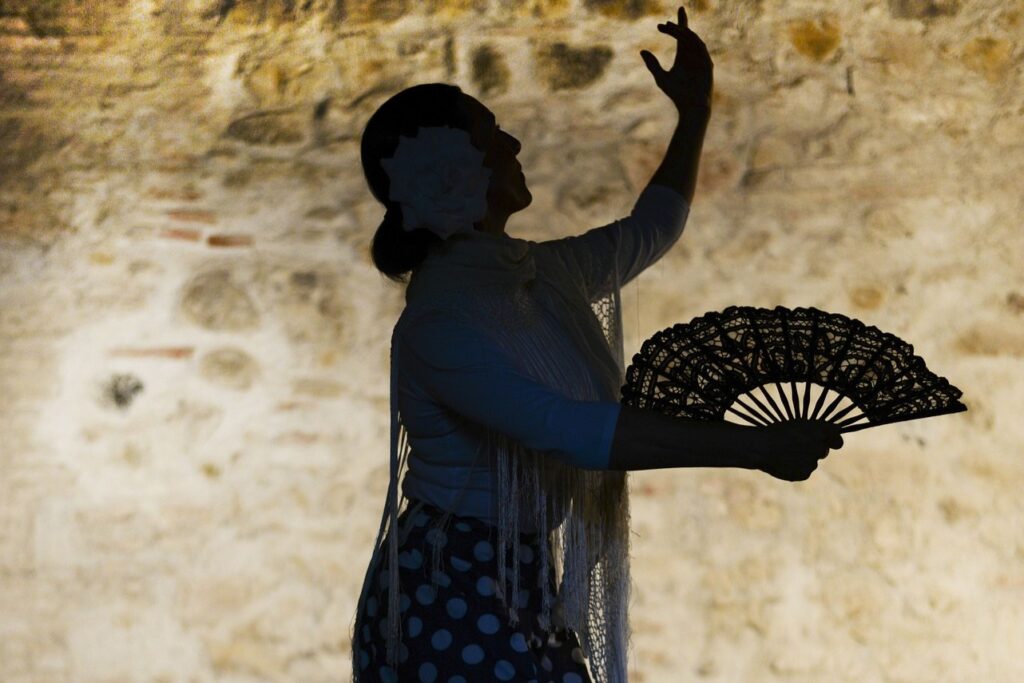
7. Catch a flamenco show: Flamenco originated in Andalusia and you can go see vibrant flamenco shows throughout the city. The most authentic shows can be found in the neighborhood of Triana, across the river from the historic center. I enjoyed the intimate show at Tablao Flamenco Almoraima.
8. Triana Neighborhood: Along with the buzzing nightlife at Calle Betis along its riverfront, Triana is a historic neighborhood that was once a hub of ceramic tile production and Seville’s gypsy quarter (full of flamenco dancers, bullfighters, and artists) until the mid-twentieth century. Although I didn’t find much to see beyond the waterfront, you can wander this authentic neighborhood, visit the market and ceramic shops, and catch flamenco performances here.
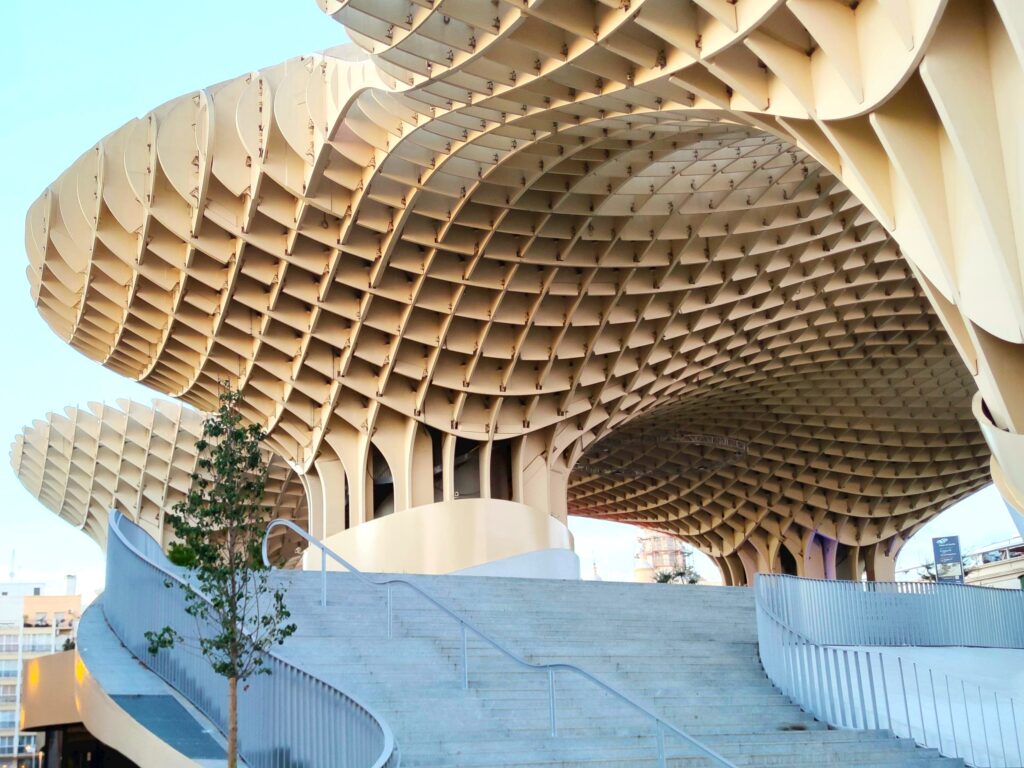
9. Setas de Sevilla (Mushrooms of Seville): This large, funky architectural structure was built in 2011 and is a popular tourist attraction in Seville. Along with admiring it from the ground for free, you can opt to pay 15 euros to walk around the top, which offers nice views of the city (especially at sunset). There’s also a light show in the evening.
10. Do a walking tour: Many walking tours are free, although be sure to tip your guide. Along with providing some historical insights, colorful stories, and local recommendations, your walking tour will guide you to some of the local sights worth admiring, including the Torre de Oro, Plaza del Triunfo, and others.
Beyond seeing Seville’s top sights, I highly recommend spending some time simply wandering around the city, particularly in its historic center. You can experience the surprising and charming details of this city while ambling through its streets in the daytime, but it’s also lit up beautifully in the evening.
Getting to Seville
By plane: If you’re flying directly to Seville, you’ll fly into the San Pablo Airport (SVQ), which is about 6 miles (10 km) from the city center. From there, you can take a public shuttle bus, taxi, or rideshare (Uber or Cabify) to get into the city.
By train: Seville’s Santa Justa Train Station is a little over a mile from the center of Seville. It is the third busiest train station in the country and offers many connections across Spain.
By bus: Seville has two bus stations, both located in the city center: Plaza de Armas station and Prado de San Sebastian station. If you’re coming from other places in Europe or cities in Spain, you’ll most likely end up at Plaza de Armas station, which is 15-20 minutes walk from the city center.
Where to eat in Seville
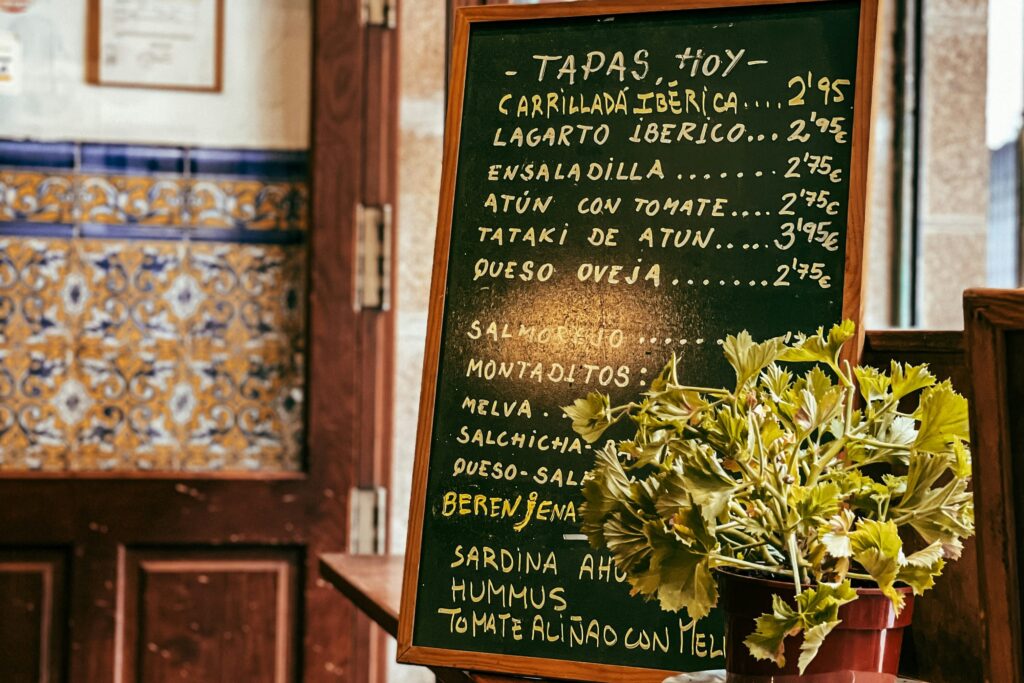
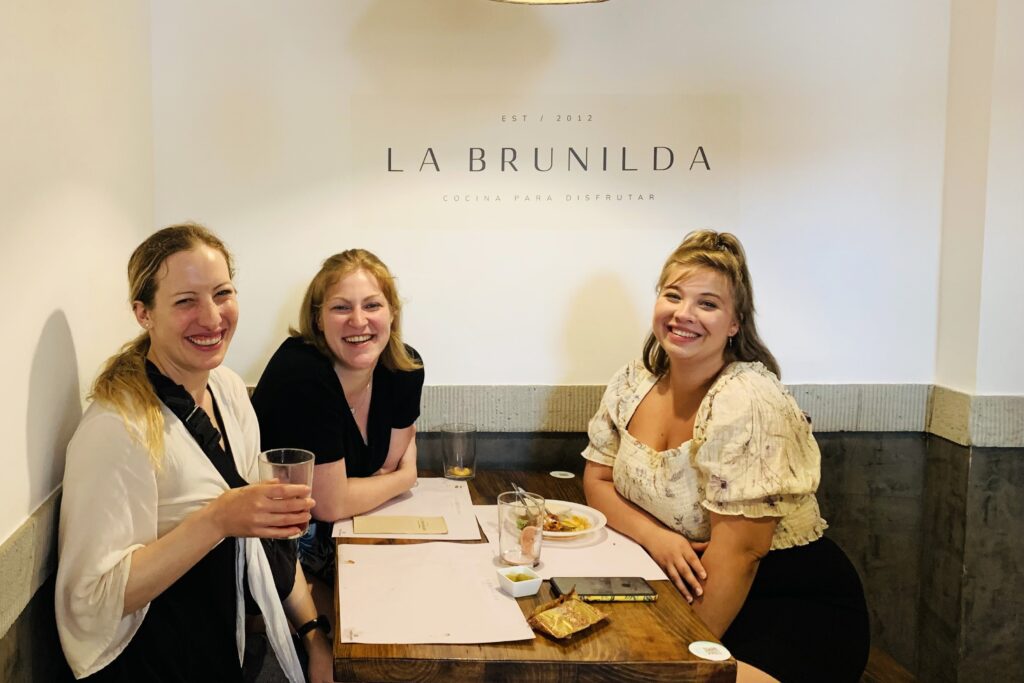

There are so many delicious restaurants in Seville. Here are my two absolute favorite places for tapas and breakfast:
Best place for tapas: La Brunilda
Hands down the best tapas that I had in Seville. It was so good that I went back the next day. They have a more modern twist on traditional tapas and wonderful drinks. It’s a bit hard to find it (look for the bright blue door) and can be difficult to get a table, so I recommend going at off peak hours.
Best place for breakfast/brunch: La Mala Brunch
This adorable brunch place serves delicious breakfast dishes and coffee. I loved their savory pancakes, but you can’t go wrong. They serve lunch as well, but it’s the best way to start your day – get there early to snag a table!
Honorable Mentions: Looking for more restaurant recommendations? Here are 10 other places to check out for delicious food and drinks in Seville.
- El Traga
- ConTenedor
- Eslava
- Bar Sal Gorda
- Las Columnas (Bodega Santa Cruz)
- Bodeguita Romero
- El Rinconcillo (oldest bar in Seville)
- Bodega Dos de Mayo
- Mechela Arenal
- Casa Morales
Where to stay in Seville

If you’re staying in Seville, especially for the first time, I recommend you stay in and near the historic center of the city (El Centro or Casco Viejo). It’ll be easy to walk to most of the tourist sights and you’ll be in the midst of all the action to make the most of your time in the city.
It can be pricier staying closer to the center and it can be a little noisier due to tourists, but I think it’s worth it.
The historic city center district includes neighborhoods like Santa Cruz, Alfalfa, El Arenal and other small barrios worth checking out for accommodation options.
If you want to stay a little ways from the center but still relatively close to the action, you might consider La Macarena to the north or Triana to the west.
There are many excellent accommodations in Seville at different price points, but here are some recommendations:
- Mid-High Range:
- Budget Options:
Fun tips to elevate your experience in Seville
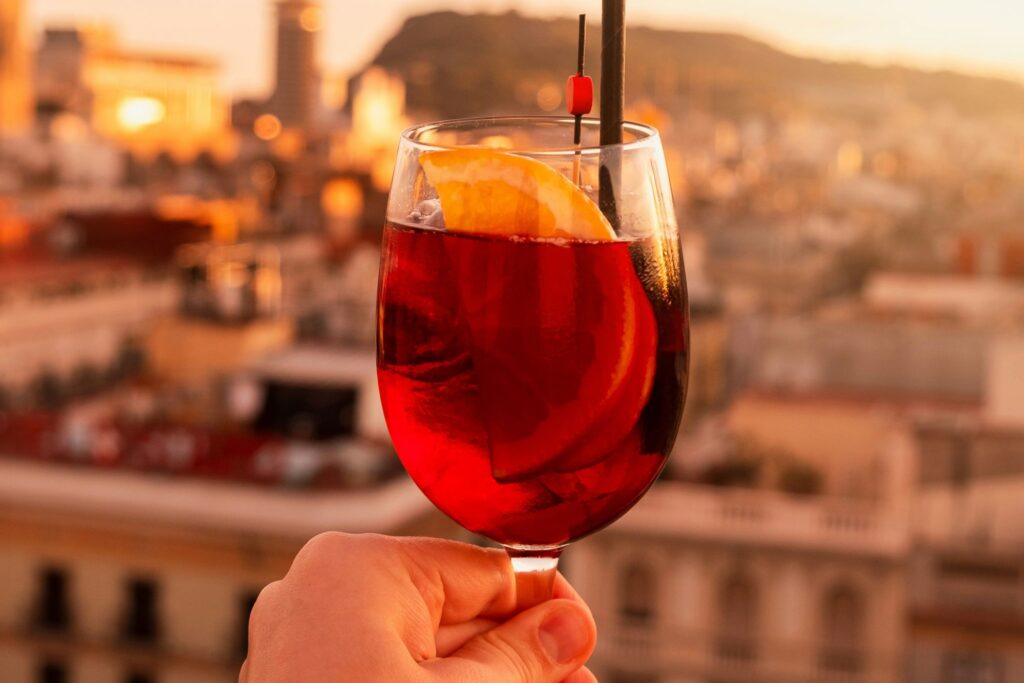
- Order “tinto de verano” (summer red wine): In the summer, locals typically order “tinto de verano” (summer red wine) instead of sangria – it’s similar to sangria but made with fruity (often lemon) soda. I found it surprisingly refreshing and delicious.
- Purchase “secret nun” cookies: These are cookies and other sweets sold by nuns in convents throughout Spain. Hours are limited and if the nuns aren’t allowed to make contact with the outside world (cloistered nuns), you may have to stick money in a wooden turntable (torno) and get your cookies sight unseen. In Seville, there are several convents that sell sweets, but a few to check out include: Convento San Leandro, Convento de Madre de Dios, and Convento de Santa Ana.
- Enjoy late nights in Seville (especially in the summer): Spaniards are notorious for staying up partying until the break of dawn. However, in the height of summer, you’ll find people out having a low-key cup of espresso or a glass of wine with friends at midnight, taking advantage of the respite from the relentless summer heat. Seville is also beautifully lit up at night, so go out and enjoy a late night stroll or grab a drink in the middle of the night, especially in the summer months.
Want to venture outside of the city and explore Andalusia? Check out my recommendations for best day trips from Seville to make the most of your time in southern Spain.