Norway Series #2: A Guide to Bergen, Gateway to the Fjords
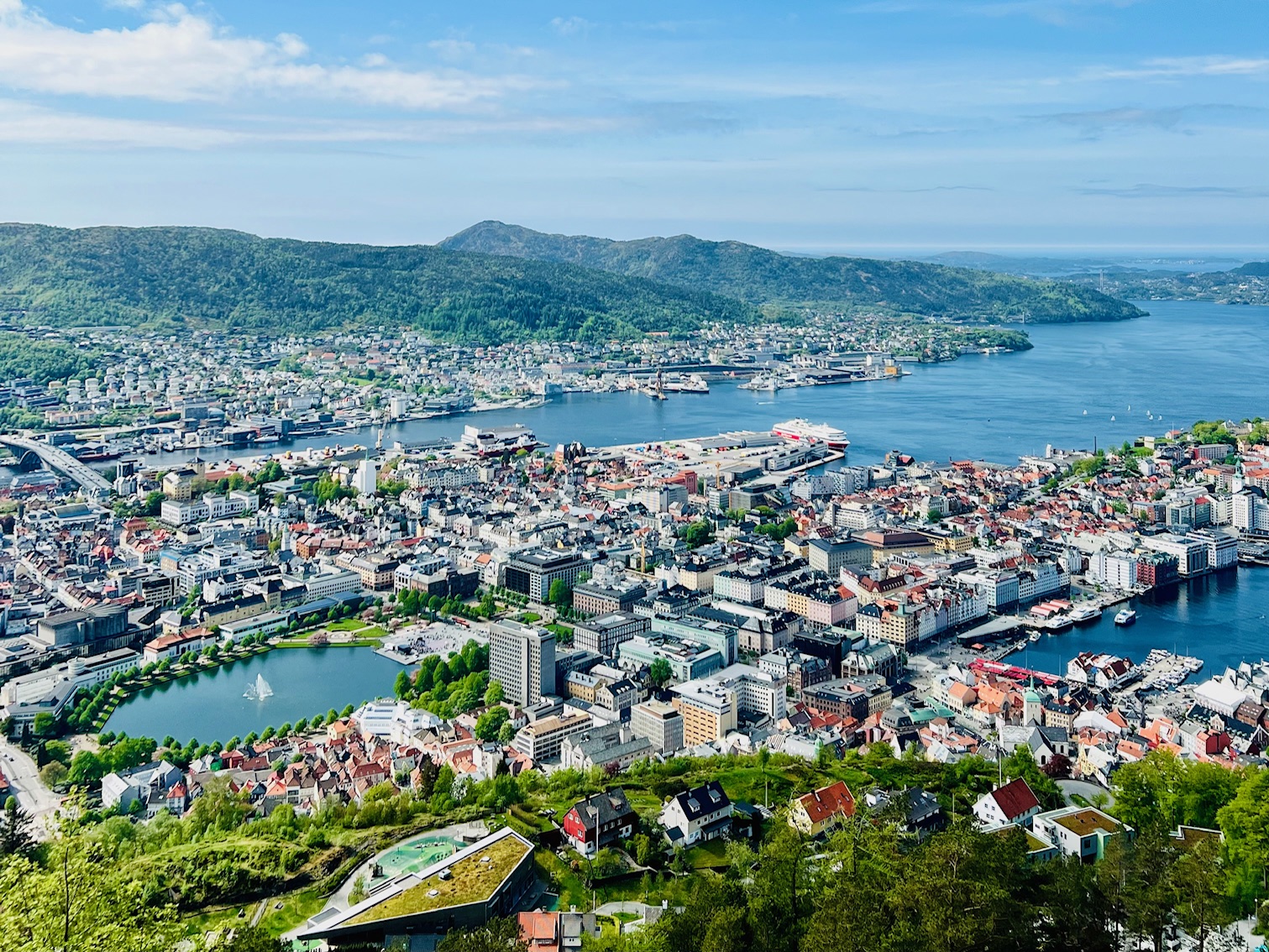
The city of Bergen provides the perfect starting point to begin your fjord adventures. This colorful port town on Norway’s western coast is the second-largest city in the country and is known as the gateway to the fjords.
I spent the first and last day of my western Norway trip in Bergen. Surrounded by fjords and mountains and full of cafes, shops, and museums, this historic seaside city is incredibly picturesque and has plenty to keep you occupied.
Bergen is well-known for its scenic views and nearby nature, especially Norway’s famous fjords. There are seven mountains in and around the city that offer ample opportunities for hiking, walking, and reveling in stunning panoramic views. Some of the most popular and easily accessible mountains are Mount Fløyen and Mount Ulriken (more on these later).
Bergen has plenty of history and culture as well. It was founded in 1070 and was a major European trade center and maritime hub for centuries. One of the city’s most popular attractions is its historic wharf district, Bryggen, a UNESCO World Heritage Site with vibrantly-colored medieval buildings lined up along the waterfront. The city also has several museums, a vibrant arts scene, and was the birthplace and residence of the famous composer Edvard Grieg.
Although I was incredibly lucky and got sunny weather when I visited, Bergen is a very rainy place with an average of ~240 rainy days a year. Be sure to bring and carry your rain jacket while you’re there (most locals had their rain jackets in hand, even in the sunshine).
Planning a visit to Bergen? This guide will give you the rundown on Bergen’s top sights, where to stay in the city, and recommendations for places to grab a bite. Without further ado, let’s fjord ahead.
Top sights to see in Bergen
1. Step back in time (and shop) at the old wharf area, Bryggen
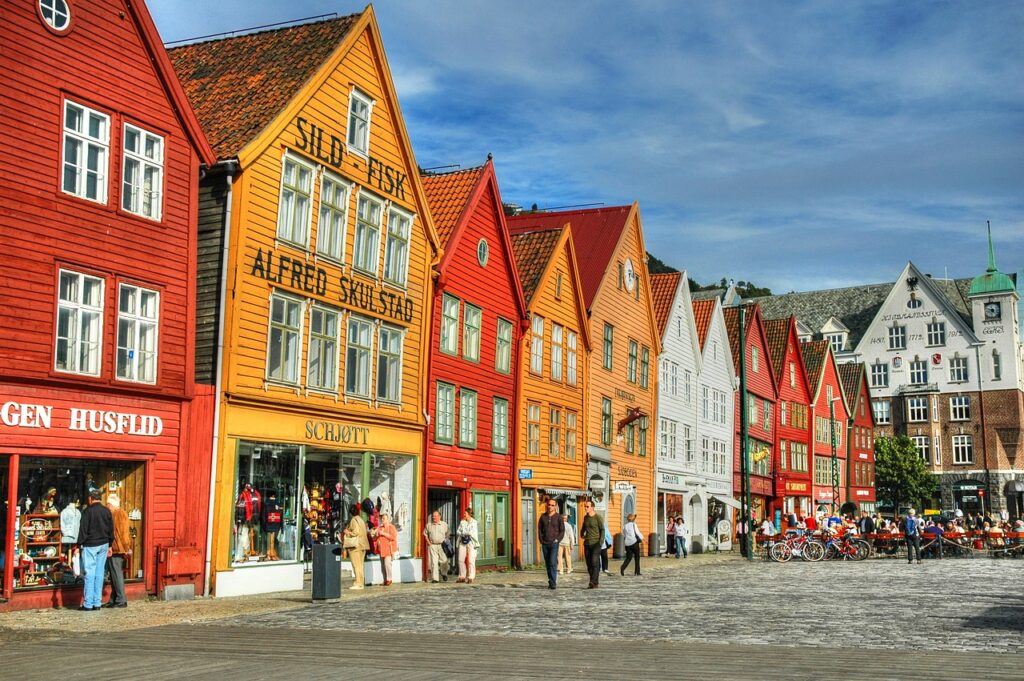
With its rows of colorful wooden buildings from the medieval Hanseatic trade centuries ago, Bryggen is the historic wharf area (and a UNESCO World Heritage site) near the center of Bergen and is the city’s most notable landmark.
You don’t need too much time here, but it’s fun to walk through Bryggen’s narrow passageways and visit the cute artesian stores, souvenir shops, galleries, and restaurants now housed in these historic buildings. If you want to learn more about Bryggen’s history, the Hanseatic museum offers guided tours.
2. Ride the Fløibanen Funicular (rail car) to stunning city views
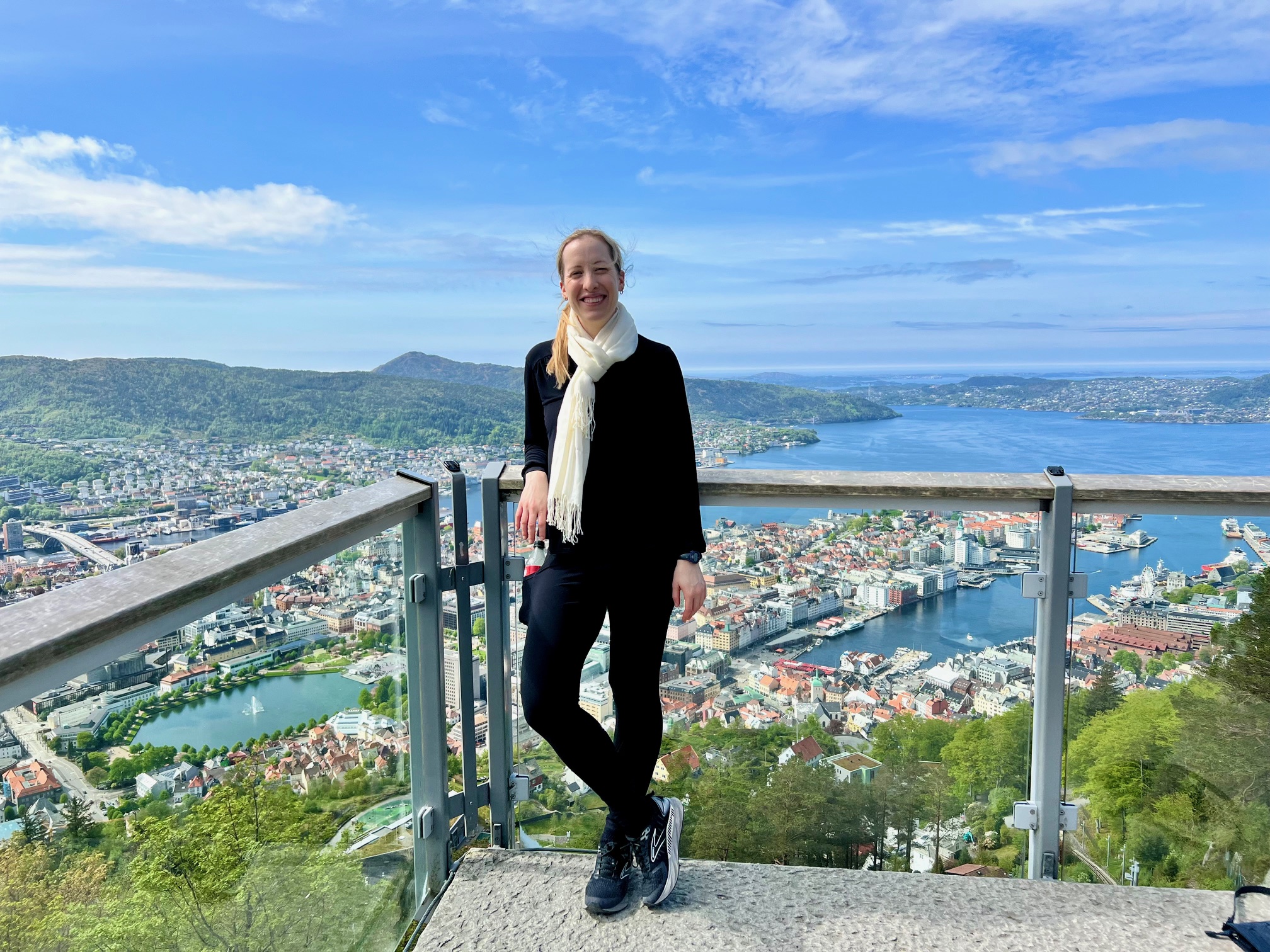
Located five minutes walk from Bryggen, the Fløibanen rail car will take you up ~300 meters (~1000 ft) to the top of Mount Fløyen and reward you with breathtaking views of the city. Once you’re at the top, there’s an observation deck, some lovely walking and hiking trails (including a troll forest with troll figurines), and a small herd of cashmere goats that live on the mountain.
If you don’t want to take the rail car (or want to save some $), you can hike up and down Mount Fløyen for free (it typically takes about an hour going up and is a little quicker going down).
3. Take the Ulriken cable car to the top of Bergen’s highest mountain
The cable car on Mount Ulriken will take you up ~640 meters (~2,100 feet) to some incredible city views and hiking trails with stunning vistas of the surrounding fjords, mountains, and sea. Although Mount Ulriken is a little further from the city center, I thought it was 100% worth the trip – it was my favorite activity that I did in Bergen.
It takes ~20-30 minutes to get to the cable car from the city center through a combination of walking and public transit (or you can take the Ulriken Express Bus). Once there, the cable car ride up takes less than 10 minutes. If you don’t want to take the cable car, you can also hike to the top of Mount Ulriken, but it’s a steep set of 1,300 steps and can take ~1-2 hours (but less time going down). In the summer months, you can also hike the ~5-9 hours from Mount Fløyen to Mount Ulriken (or vice versa).

4. Immerse yourself in arts and culture
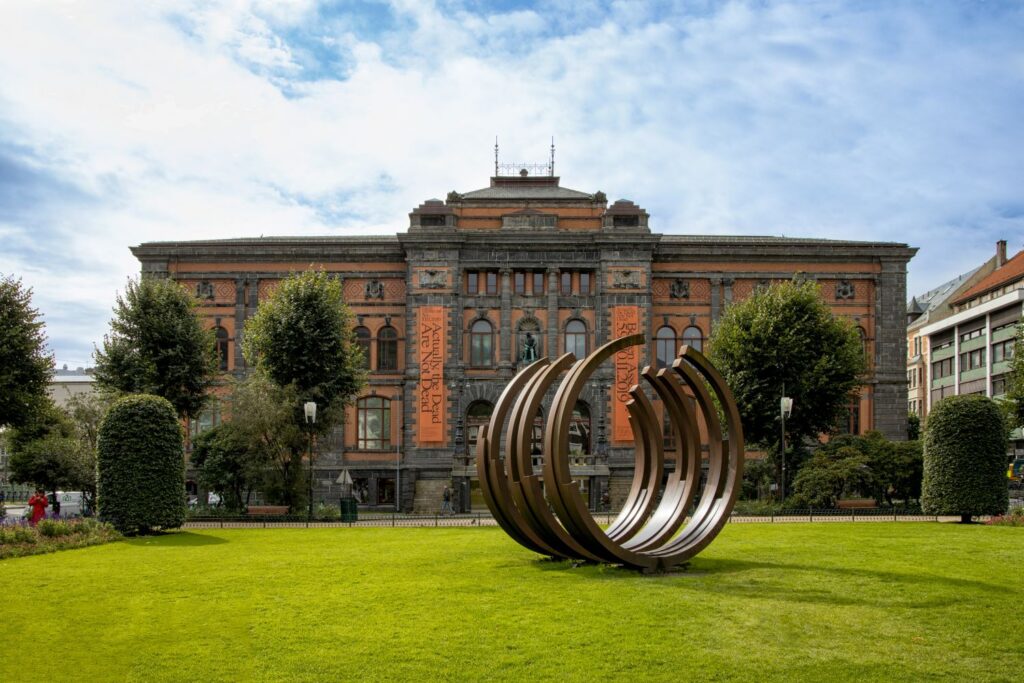
Bergen has plenty of arts and culture and its museums are a great option for a rainy (or sunny) day, particularly the KODE museums. There are four KODE art museums in the city center, including Rasmus Meyer (art museum featuring mostly Norwegian artists that has the world’s third largest Edvard Munch collection), Permanenten (fine craft and design museum), Lysverket (art museum featuring 15th-20th century artists, including Pablo Picasso), and Stenersen (museum with rotating exhibits on topics like indigenous history).
The KODE museum collection also includes three composers’ homes located outside the city. The best-known of these is Troldhaugen, the charming former residence of the famous composer Edvard Grieg, which is now a museum as well as a concert venue in the summer. Some of the KODE museums are occasionally under renovation or aren’t open outside of the summer season (May – September) so make sure to check the website in advance of visiting.
5. Check out nearby fjords on a half-day boat tour
Short on time in Bergen but want to experience Norway’s famous fjords? Take a short (3-4 hour) cruise from Bergen to Osterfjord and the Mostraumen Channel. Although not quite as striking in appearance as fjords like Nærøyfjord or Hardangerfjord (which make for long day trips of ~10-13 hours from Bergen), the scenery is still beautiful and the half-day trip is quick, easy, and runs year-round. A few companies offer these cruise tours, but one of the most popular is Rødne.
6. Wander around this charming city
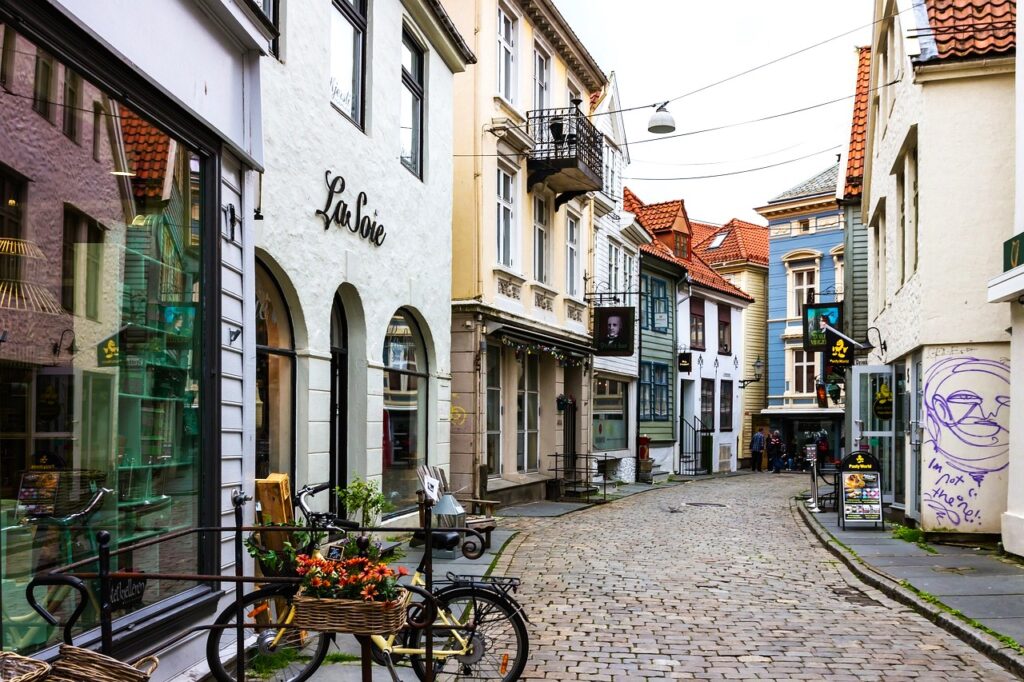
Bergen has lots of shopping, lovely parks, historic buildings, and a cute waterfront (including but not limited to the Bryggen area). The city is also safe and easy to navigate by walking and taking public transit (taxis in Norway are notoriously expensive). Bergen is known for being rainy, but if the weather is (somewhat) behaving, I’d recommend wandering around a bit (rain jacket in hand) and seeing what you find.
7. Learn about Bergen’s 1000-year history
History buff in Bergen? I was more focused on the city’s surrounding nature than Bergen’s storied past when I visited, but there are a number of historical buildings and museums to check out in the city. Although the city has had many fires during its almost 1000-year history, some historic buildings remain.
These include the Bergenhus Fortress, a restored historical fortress with a defense tower (Rosenkrantz Tower) and medieval stone hall (Haakon’s Hall). The fortress dates as far back as the 13th century and has some nice views of the city and a (free!) museum. There’s also the Bergen Cathedral, which is nearly 900 years old, and St. Mary’s Church, the oldest existing building in the city.
8. Visit Bergen’s multitude of history museums
Bergen has several museums with exhibitions on historical topics ranging from Norway’s World War II resistance movement to maritime history to leprosy:
- Old (Gamle) Bergen Museum: This open air museum has 50 wooden houses from the 18th, 19th, and 20th centuries and actors that bring this small, reconstructed town to life. It’s open from May to September.
- Hanseatic Museum and Schøtstuene: This museum centers on the history and lives of the Hanseatic merchants from Northern Germany that came to Bergen and turned it into a bustling and vibrant center of trade for centuries. Although the main Hanseatic Museum building is closed for restoration until the beginning of 2027, you can currently visit the museum’s other venue, Schøtstuene, which features Hanseatic assembly rooms from the 16th century. The museum provides guided tours of these rooms and the surrounding Bryggen area.
- The Leprosy Museum (St. Jørgen’s Hospital): A former hospital-turned-museum that tells the history of leprosy and Norway’s contributions to leprosy research. It’s open from May to September.
- Bryggens Museum: This museum was constructed on the site of the city’s first settlement. It features archaeological artifacts and ruins from the Middle Ages that came out of an excavation of Bryggen in 1955.
- Bergenhus Fortress museum: Interested in the military history of Norway and/or the country’s Nazi resistance during World War II? Housed in the Bergenhus Fortress, this museum is completely free and has exhibits on both these topics.
- Theta Museum: This tiny and unique museum is located in a reconstructed room that was used by the Theta group, who played an important role in Norway’s resistance against the Nazis.
- Maritime Museum: This museum is focused on Norway’s maritime history over thousands of years and features exhibits on the history of shipping, artifacts from the Viking era, and many model ships.
9. Visit a medieval Stave Church replica
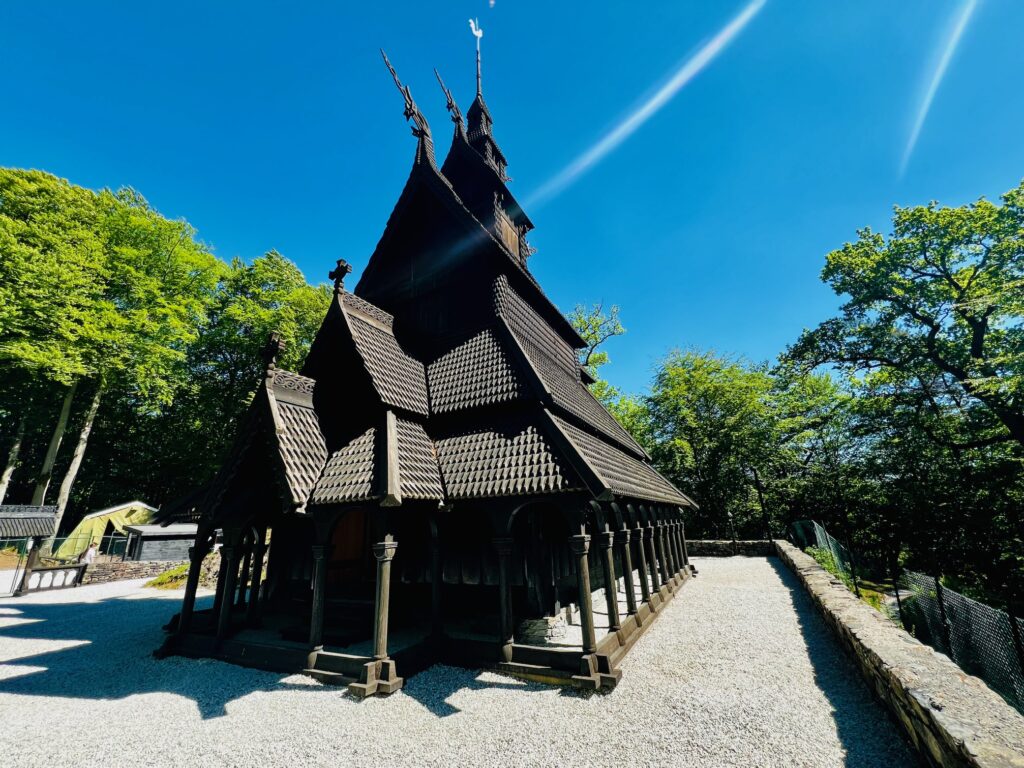
The Fantoft Stave Church in Bergen was sadly burned down by an arsonist in 1992, but the building standing today is an exact copy of the original. Stave churches are wooden churches from the Middle Ages with dramatic architecture and carvings that incorporate elements of both Nordic mythology and Christianity. There are only 28 stave churches left in the world (not including this one since it’s a replica).
The entrance fee wasn’t cheap for a quick visit to a small building and I wouldn’t consider this a “must do” activity in Bergen, but the architecture is interesting and it might strike your fancy.
10. Visit one of Norway’s most breathtaking fjords on the Norway in a Nutshell™ tour
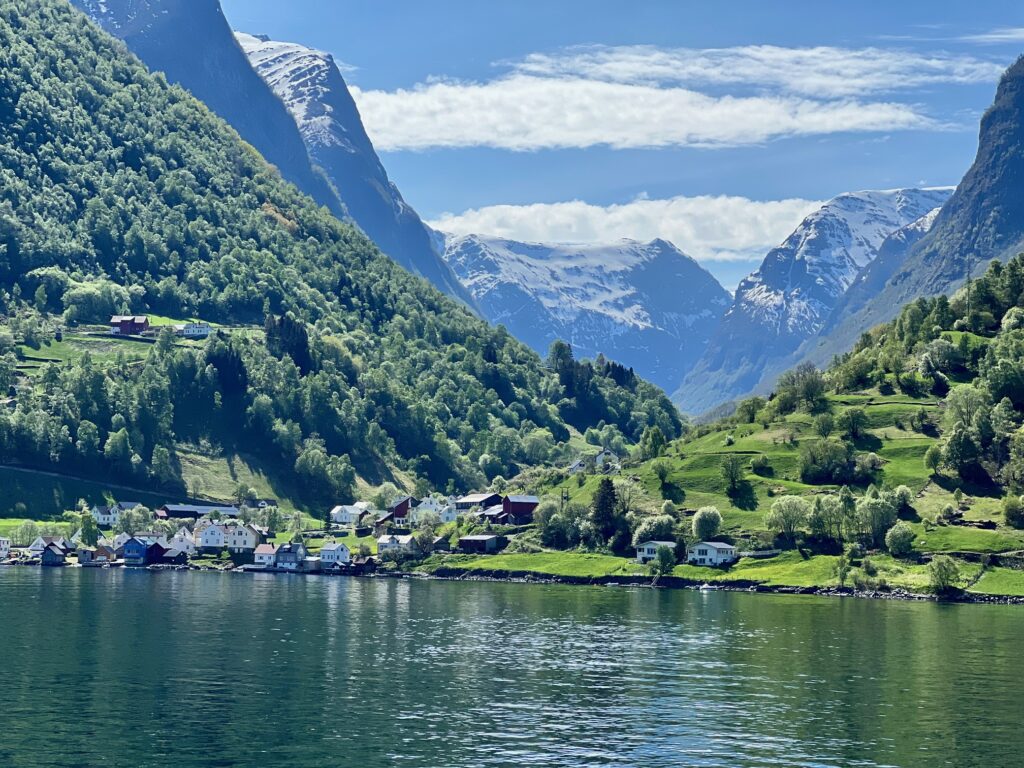
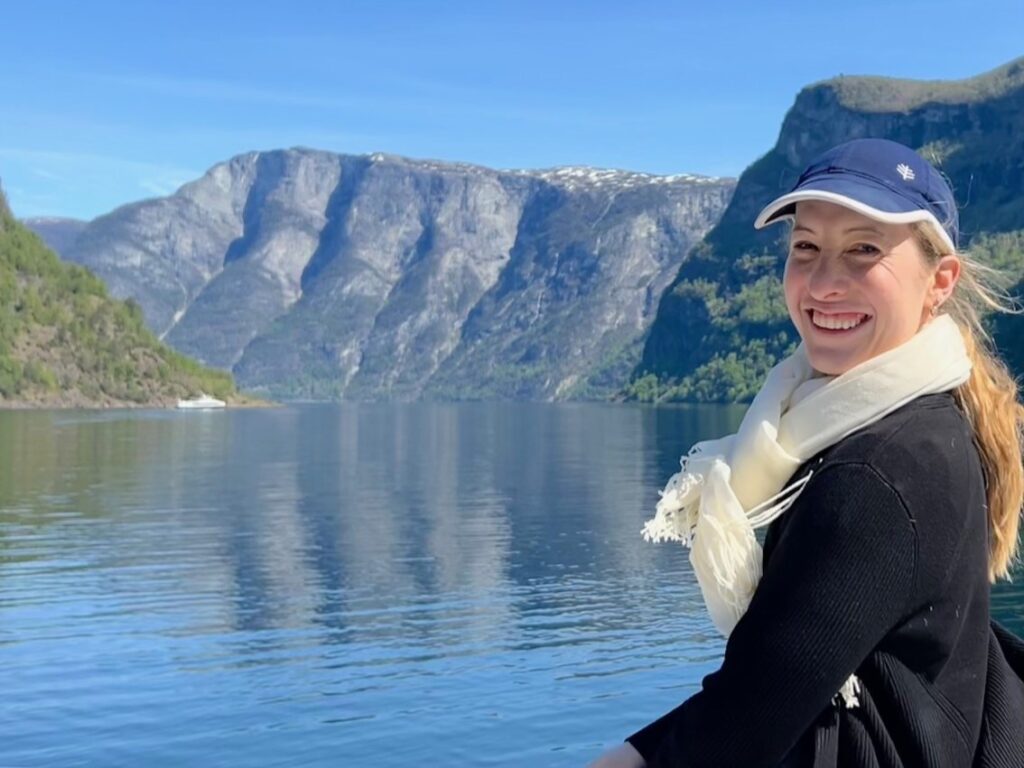
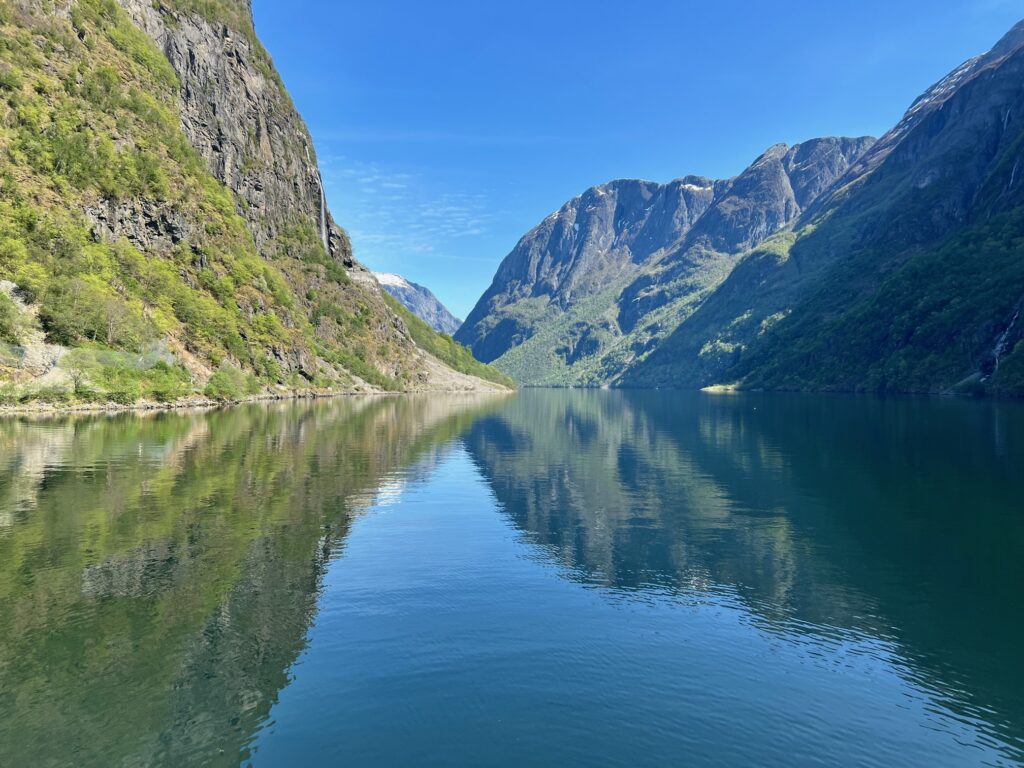
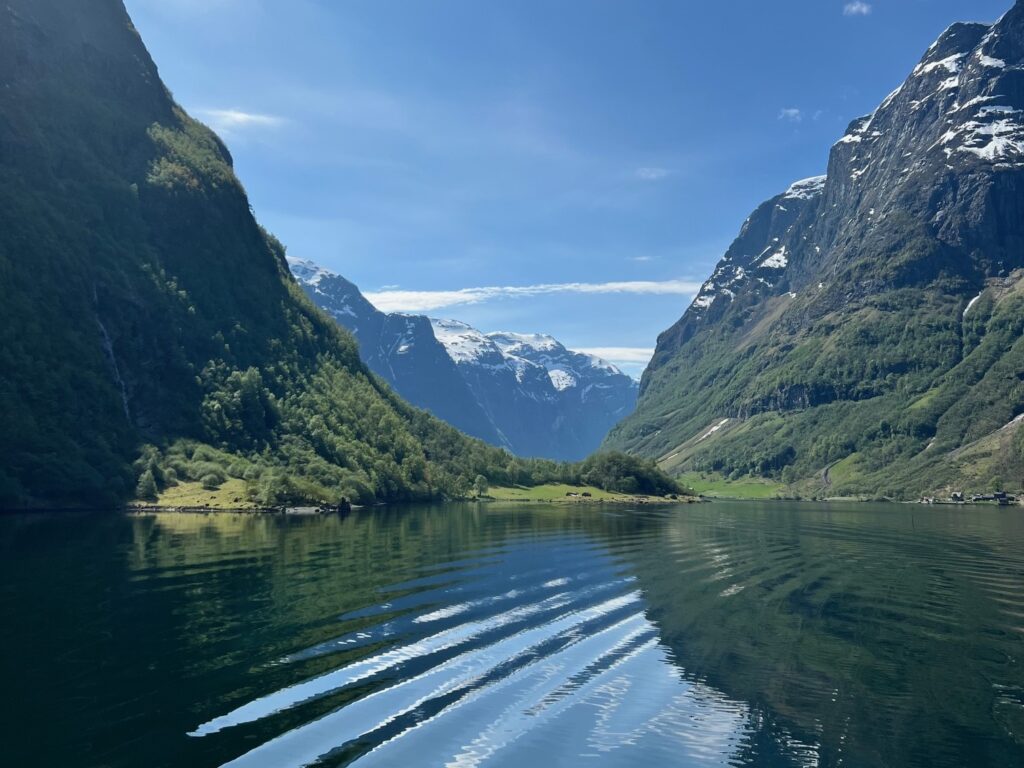
Although its technically not in Bergen, I couldn’t not mention the Norway in a Nutshell™ (NIAN) tour, where you take public buses, trains, and ferries through one of Norway’s most beautiful fjords, Nærøyfjord. You can do the round trip tour from Bergen in one (very long) day, but I recommend spending a night or two on the route to make the experience feel less rushed. You can read my full blog post with an overview of the NIAN tour here.



Where to stay in Bergen
I’d recommend staying in or near the city center in the areas of Sentrum, Bryggen, or Nordnes.
Sentrum
I stayed in Sentrum, a popular area in the city center that is located by the train station and has lots of cute restaurants, cafes, and shops. It’s not too far from Bryggen (~10-15 minute walk, depending on where you’re staying) and the other historic places in the city. It’s also conveniently located for taking public transit both around Bergen and to other places in Norway.
I stayed in a reasonably-priced private room at City Hostel Bergen ($). Other options in this area include: Citybox Bergen ($), Zander K ($$), and Hotel Oleana ($$).
Bryggen
Bryggen is the most touristy area of Bergen – if you stay around here, you’ll be near Bergen’s main historic sights as well as lots of restaurants and bars. This area can be pricier and noisier given the foot traffic, but there are definitely some benefits to staying here, especially if you enjoy being in the midst of all the action. Depending on where you stay, it can be a ~10-20 minute walk to the city center and train station.
Some accommodation options in and near Bryggen include: The Hanseatic Hotel ($$), Thon Hotel Rosenkrantz Bergen ($$), Opus XVI ($$$), Charmante Skostredet Hôtel ($$$), and Bergen Børs Hotel ($$$).
Nordnes
Nordnes is a charming neighborhood and peninsula next to Bryggen located within walking distance to the city’s historic sights and center. This area is more residential than Bryggen and Sentrum with a quieter, more laidback vibe.
Popular places to stay here include: Clarion Admiral ($$$), Comfort Hotel Bergen ($$), and Klosterhagen Hotel ($$).
If you’re looking for unique accommodation in Bergen, check out Konglen, where you can spend the night in a cone at the top of Mt. Fløyen. It’s pretty no-frills, at the top of the mountain (you have to get there by rail car, hiking, etc.), and you need to bring your own sleeping bag and flashlight, but it’s a fun option for one night if you’re feeling adventurous.
Regardless of where you stay, Bergen is a relatively small city and pretty walkable if you’re staying around the city center and historic areas. Even if you stay farther out, the public transit in Bergen is top notch and easy to navigate. It’s hard to go wrong!
Where to Eat in Bergen
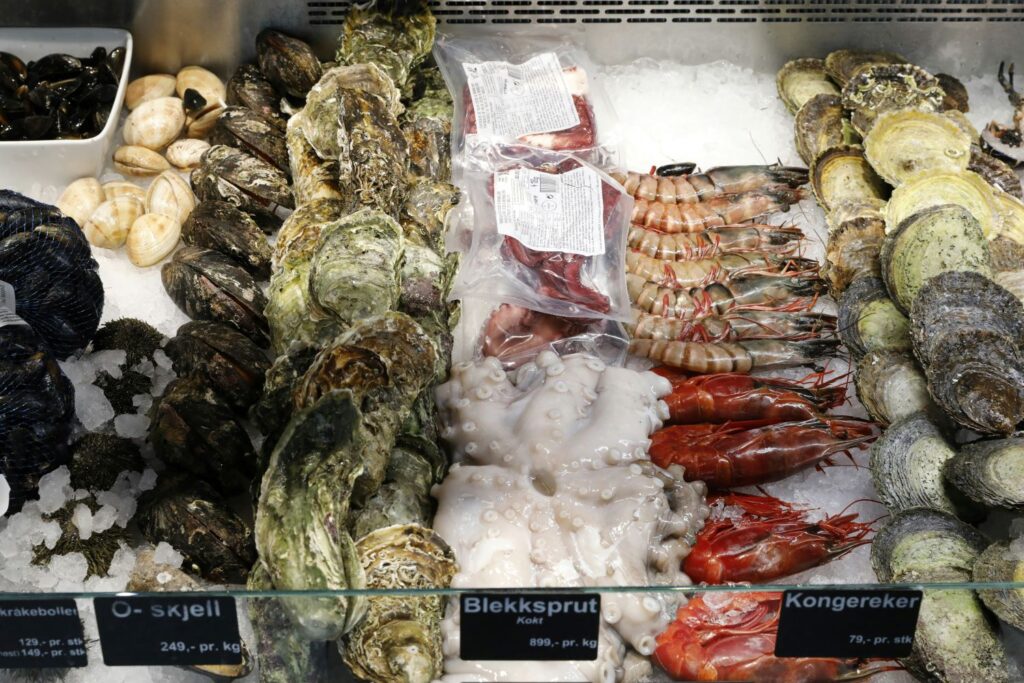
Bergen reportedly has a good food scene, but I was more focused on exploring the city than sitting down at restaurants during my time here. Food in Norway is also pricey, but there are some quick and fairly reasonably-priced eats in Bergen. If you’re looking for higher-end dining (with a higher-end price tag), there are a number of options as well.
- For quick eats:
- Godt Brod: This chain is all over Bergen and is a great bakery with delicious sandwiches and pastries. It’s perfect if you’re on the move and looking for something tasty, reasonably priced (for Norway), and fast.
- Angry Bite: This falafel restaurant is another quick, good, and relatively inexpensive option in the town center that’s a solid choice for vegetarians.
- For higher-end restaurant options:
- MOON: Michelin star French fine dining in an intimate bistro
- Bryggeloftet & Stuene: Cozy restaurant in the old historic area of Bryggen serving local dishes (e.g., seafood and meat dishes like fish soup and reindeer filet)
- Enhjørningen (The Unicorn): Popular seafood restaurant located in a historic building in Bryggen
- You can also check out the Fish Market on the wharf next to Bryggen – it’s definitely a tourist trap, but you can peruse a variety of seafood items from whale steaks to sea urchins and vendors there sell prepared foods like soups and whale burgers.
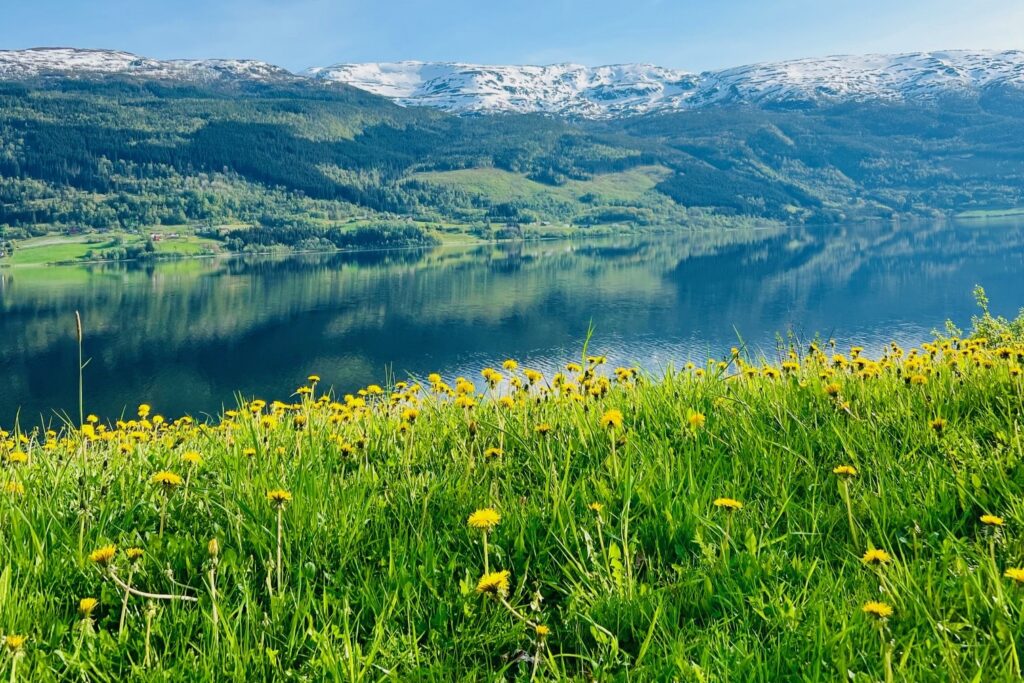
Bergen is an excellent starting point for getting to some of Norway’s most beautiful fjords, including Nærøyfjord, which can be experienced through the famous Norway in a NutshellTM tour, and Hardangerfjord, which is known for its fjord views and charming fruit orchards. Get the full rundown of the Norway in a NutshellTM tour, which you can do roundtrip from Bergen, in my blog post here.
I’d recommend spending at least a couple of days in Bergen during your western Norway travels. It’s a lovely and vibrant city that offers easy access to the true star of the show, Norway’s absolutely remarkable fjords and nature.